
Transporting biologics across international borders presents one of the most intricate challenges in modern biopharmaceutical logistics. Unlike conventional pharmaceuticals, biologic shipments demand meticulously controlled environments, precise documentation, and seamless coordination among numerous stakeholders. Even minor deviations can compromise product integrity, delay critical clinical timelines, or lead to significant financial losses.
As global clinical trials expand and advanced therapies become increasingly prevalent, the stakes continue to escalate. Biopharmaceutical companies must skillfully navigate an ever-more complex landscape of regulatory requirements, acute temperature sensitivities, and diverse logistics risks, all while maintaining complete chain-of-custody visibility.
This article examines the primary risks associated with international biologic shipments and outlines essential strategies to safeguard product quality, ensure compliance, and uphold operational efficiency.
The Imperative for Specialized Handling in Biologic Shipments
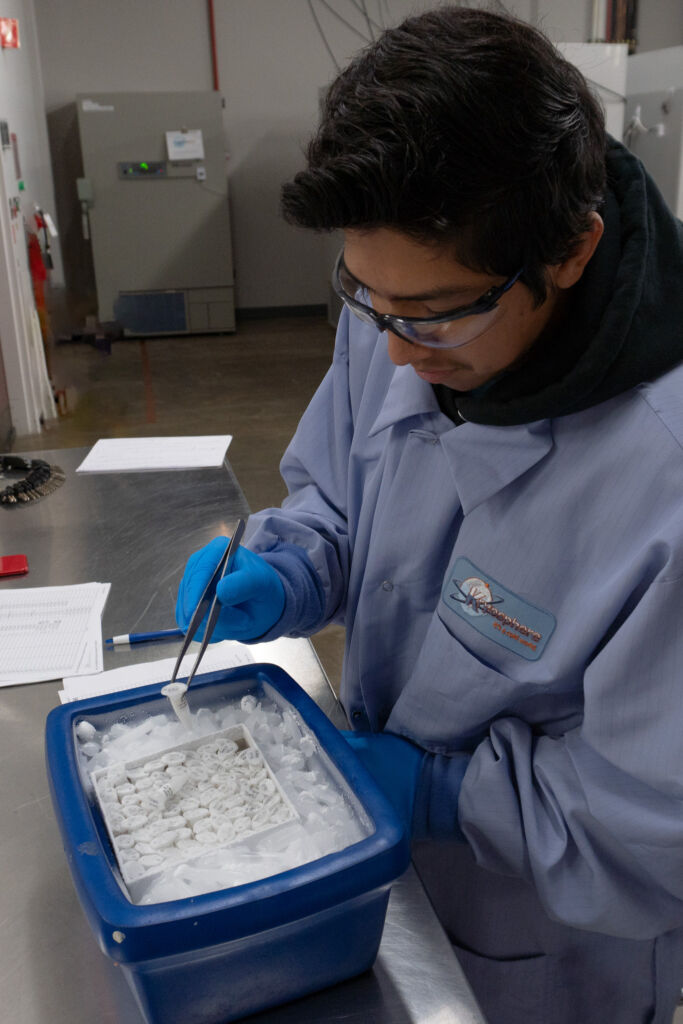
Biologics, by their very nature, are derived from living organisms, rendering them inherently sensitive to environmental conditions. Products such as monoclonal antibodies, vaccines, cell and gene therapies, and vital clinical trial materials require stringent temperature control, often within narrow parameters like 2–8°C, -20°C, or even cryogenic conditions below -150°C.
In stark contrast to small-molecule drugs, biologics cannot tolerate temperature excursions without incurring the risk of degradation or a significant loss of efficacy. This inherent sensitivity elevates transportation from a straightforward logistical task to a highly controlled, compliance-driven process.
Furthermore, biologic shipments frequently involve:
- Limited batch sizes with exceptionally high value per unit
- Abbreviated shelf lives and stringent stability profiles
- Critical timelines are intrinsically linked to patient treatments or clinical protocols
These factors render robust risk mitigation not merely important, but fundamental.
Regulatory Risks in International Biologic Shipments: Navigating a Complex Global Framework
One of the most formidable challenges in biologic shipments centers on regulatory compliance. Each sovereign nation enforces its own distinct requirements for the import, export, labeling, and handling of pharmaceutical products.
Key regulatory frameworks encompass:
- cGxP guidelines governing storage and distribution.
- IATA regulations pertinent to the air transport of temperature-sensitive goods
- Comprehensive customs and import/export documentation requirements
- Country-specific permits and product registrations
Failure to adhere to these requirements can result in shipment delays, product holds, or even outright rejection at the border.
Documentation and Audit Readiness
Accurate and meticulously complete documentation is vital for international biologic shipments. This includes:
- Certificates of analysis
- Detailed temperature logs and monitoring reports
- Comprehensive chain-of-custody records
- Clearly defined standard operating procedures (SOPs)
Any deficiency in documentation can readily trigger compliance issues during inspections or audits.
Partnering with an organization that operates within a fully compliant environment, such as a cGMP storage and logistics facility, serves to ensure that every shipment meets global regulatory standards from its origin to its ultimate destination.
Temperature Control Risks and Excursion Management: The Fragility of Temperature-Sensitive Products

Temperature trips represent one of the most prevalent and costly risks in biologic shipments. Even brief exposure outside validated temperature ranges can render a product unusable.
Common etiologies of temperature excursions include:
- Delays incurred during customs clearance processes.
- Improper packaging or conditioning.
- Handling errors during critical transfers.
- Equipment malfunction or insufficient monitoring protocols.
Given the extreme sensitivity of biologics, risk mitigation must be seamlessly integrated into every stage of the supply chain.
Validated Packaging and Lane Qualification
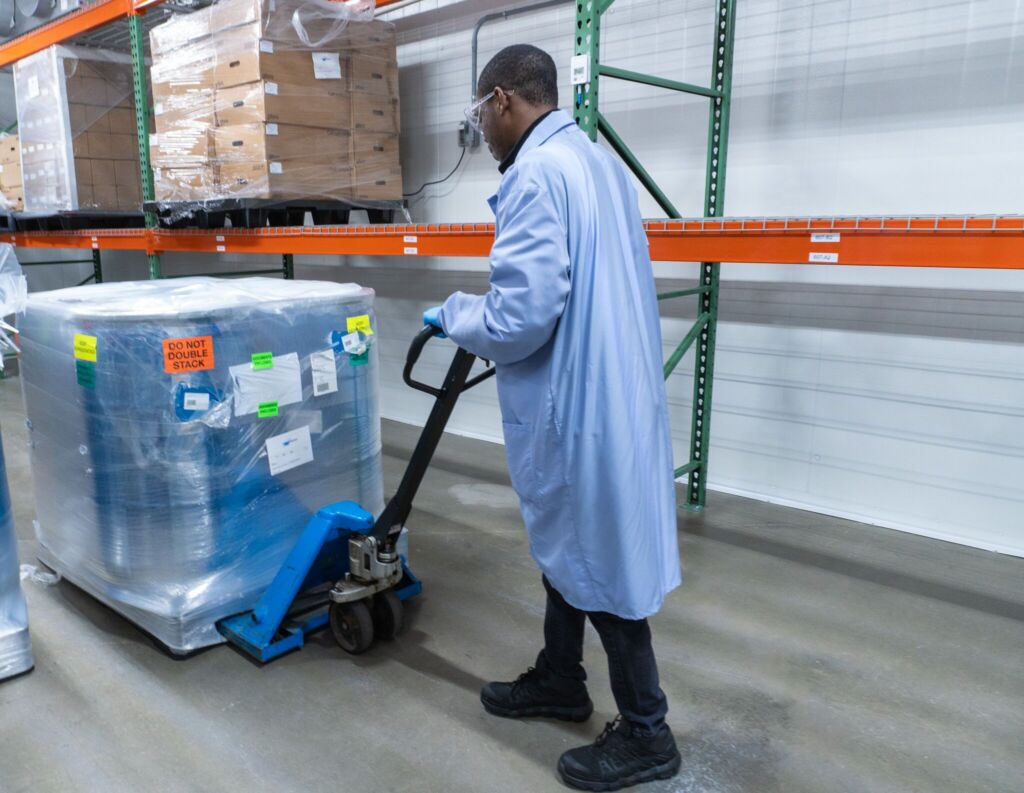
To maintain uncompromising temperature stability, biologic shipments rely upon rigorously validated packaging solutions, whether passive or active in nature.
- Passive systems employ insulated containers coupled with phase change materials.
- Active systems utilize powered units designed to continuously regulate temperature.
Pre-qualified shipping lanes also play an indispensable role. By validating routes in advance, logistics teams can proactively anticipate risks related to transit time, prevailing climate conditions, and critical handling points.
A robust cold chain strategy encompasses not only packaging validation but also real-world lane testing to assure consistent and reliable performance.
Logistics Risks Across International Supply Chains: Multi-Modal Complexity
International biologic shipments frequently involve multiple transportation modes, including ground, air, and occasionally sea freight. Each transition point inherently introduces potential risks:
- Inconsistencies in handling procedures
- Unforeseen transfer delays
- Exposure to uncontrolled environmental conditions
Coordinating these complex movements necessitates precise planning and highly experienced logistics management.
Customs Delays and Border Challenges
Customs clearance remains one of the most unpredictable stages in biologic shipments. Even with comprehensive documentation, delays can arise due to:
- Rigorous regulatory inspections
- Incomplete or mismatched paperwork
- Country-specific import restrictions
For temperature-sensitive products, such delays can rapidly escalate into critical issues.
Operating within a Foreign-Trade Zone (FTZ) can significantly mitigate some of these risks by streamlining customs processes and reducing administrative bottlenecks.
Chain-of-Custody and Real-Time Visibility: The Importance of End-to-End Tracking
Maintaining full visibility is indispensable for the effective management of biologic shipments. Real-time monitoring empowers stakeholders to track both location and temperature throughout the entire journey.
Modern solutions incorporate:
- GPS-enabled tracking systems
- Continuous temperature monitoring devices
- Automated alerts for any deviations from established parameters
These advanced tools facilitate proactive intervention, enabling teams to respond rapidly to potential risks before they can escalate.
Integration with Biorepository Systems
For many biologic shipments, particularly those integral to clinical trials, seamless integration with biorepository systems is paramount. This ensures:
- Accurate sample tracking
- Proper inventory management
- Harmonious coordination between storage and transport functions
A centralized system significantly reduces the incidence of errors and substantially enhances overall supply chain transparency.
Comprehensive Risk Mitigation Strategies for Biologic Shipments
The successful management of biologic shipments demands a proactive, systems-based approach. Key strategic imperatives include:
- End-to-End Planning
Every shipment must be planned with a holistic understanding of:
- Route-specific risks
- Applicable regulatory requirements
- Comprehensive product stability data
This planning must explicitly include robust contingency measures for potential delays or disruptions.
- Strategic Partnership with Specialized Providers
Not all logistics providers possess the requisite expertise to handle biologics. Collaborating with a partner profoundly experienced in temperature-controlled logistics and cGMP environments ensures that best practices are rigorously adhered to at every stage.
- Leveraging Advanced Technology
Technology plays a critical role in ameliorating risk. From real-time monitoring capabilities to sophisticated data analytics, these tools provide the essential visibility needed to maintain stringent control over complex supply chains.
- Continuous Quality Management
Regular audits, meticulous SOP reviews, and ongoing process improvements are vital for maintaining compliance and adapting effectively to evolving regulatory standards.
The Ascending Importance of Reliable Biologic Shipments

As the biopharmaceutical industry continues its dynamic evolution, biologic shipments are becoming increasingly frequent, more intrinsically complex, and ever more critical to patient outcomes. The emergence of personalized medicine, expanding global clinical trials, and groundbreaking advanced therapies signifies that logistics is no longer merely a supportive function; it is a strategic cornerstone of success.
Organizations that thoughtfully invest in robust cold chain infrastructure, deep regulatory expertise, and fully integrated logistics solutions are optimally positioned to navigate this complexity and consistently deliver superior results.
Supporting Biologic Shipments with Unwavering Confidence
Managing international biologic shipments requires more than mere coordination. It demands unparalleled precision, unwavering compliance, and a profound understanding of all inherent risks.
From validated cold storage and real-time monitoring to specialized regulatory expertise and meticulous global logistics coordination, possessing the correct infrastructure is the decisive factor.
Kryosphere supports biopharma organizations with fully integrated solutions meticulously designed to protect temperature-sensitive products at every critical stage of their journey. By synergistically combining cGMP-compliant storage, advanced cold chain logistics, and specialized biorepository services, Kryosphere effectively ensures that biologic shipments arrive safely, securely, and punctually.