


Imagine a life-saving vaccine, a groundbreaking new therapy, or crucial clinical trial samples. What do they all have in common? They’re incredibly delicate, and their journey from the lab to their destination is critical. In the world of biopharmaceutical logistics, this journey is managed by the pharmaceutical cold chain, a sophisticated system designed to protect these temperature-sensitive treasures.
From the moment these precious products leave the laboratory until they reach their destination, they must remain within precise temperature ranges. This isn’t just a preference; it’s a scientific necessity to ensure their safety, stability, and effectiveness.
So, what exactly is pharmaceutical cold chain transport? It’s a specialized part of the cold chain logistics. It involves expertly validated packaging, smart real-time monitoring, careful attention to regulations, and meticulous planning to keep everything at the perfect temperature throughout storage, handling, and transportation.
As the biopharmaceutical industry rapidly innovates with complex biologics, cutting-edge cell and gene therapies, and expanding global research, maintaining an unbroken cold chain has become both more challenging and more vital than ever. Regulatory bodies are watching closer than ever, demanding stringent temperature control, impeccable chain-of-custody records, and thorough transportation validation. Meanwhile, global supply chains are growing more intricate, often requiring materials to cross continents and utilize various transport methods.
In this article, we’re going to pull back the curtain on what makes a pharmaceutical cold chain truly reliable. We’ll explore how different transport methods work, how we tackle the risks of shipping delicate, temperature-sensitive materials, and the crucial compliance requirements that safeguard these invaluable pharmaceutical assets.
Why the Cold Chain Is Non-Negotiable in Biopharma

For pharmaceuticals, temperature control is the backbone of product quality and efficacy. It’s a scientific imperative.
Many biologic products and research materials are incredibly sensitive to their environment. Even a moment outside their validated temperature range can compromise their molecular structure, reduce their potency, or even render valuable research samples unusable. Unlike simpler small-molecule drugs, biologics are complex protein structures that can degrade rapidly if they get too hot, freeze, or experience sudden temperature shifts.
This is why pharmaceutical cold chain transport is essential to ensuring product quality.
When temperature control falters during transport, the ripple effects can be devastating. A compromised shipment could mean lost clinical trial data, wasted manufacturing batches, or heartbreaking delays in getting therapies to patients who need them. The financial losses can skyrocket quickly, especially when dealing with high-value biologics or irreplaceable investigational materials.
Beyond the immediate financial impact, there’s also the critical element of trust. Sponsors, research institutions, and pharmaceutical manufacturers rely heavily on their logistics partners to safeguard their materials every step of the way. A single lapse in temperature management can severely damage this trust and undermine regulatory confidence.
Another crucial factor is traceability, knowing exactly where your sensitive materials are and what conditions they’ve experienced. Regulators increasingly expect complete transparency regarding the movement of temperature-sensitive materials throughout the supply chain. Every handoff, every temperature reading, every transit checkpoint must be meticulously documented. This level of transparency guarantees that pharmaceutical products remain compliant, and their integrity is confirmed from the initial facility to their final storage or research location.
The Foundations of a Rock-Solid Pharmaceutical Cold Chain Strategy
A truly reliable pharmaceutical cold chain strategy is built upon several interconnected pillars. Together, these elements ensure that sensitive materials travel safely, efficiently, and compliantly through the entire supply chain.
The Right Ride: Modalities of Cold Chain Transport
The first pillar is all about choosing the best way to get your sensitive materials from point A to point B.
Pharmaceutical shipments can travel by ground, air, or a clever combination of both. The choice depends on factors like distance, urgency, and how sensitive the materials are to temperature changes.
Ground transportation is a workhorse for regional and domestic shipments. When vehicles are properly equipped with validated packaging and advanced temperature monitoring, ground transport offers a reliable and cost-effective way to move cold chain materials.
Air transport becomes essential when materials need to cross international borders or cover vast distances within tight deadlines. While air freight introduces more handling points and specific regulations, it’s indispensable for time-sensitive pharmaceutical logistics.
Often, hybrid solutions combine the best of both worlds. For example, samples might travel by temperature-controlled vehicle to an airport, then fly to their destination, and finally transfer to a specialized courier for the last leg of the journey.
Beyond the mode of transport, we also consider whether to use passive or active temperature control systems.
Passive systems rely on super-insulated packaging paired with refrigerants like gel packs or dry ice. These are ideal for shipments with a validated time window where they can maintain temperature specifications without external power.
Active systems, on the other hand, use electrically powered containers that maintain incredibly precise temperature ranges throughout transit. These are often reserved for high-value shipments, longer transport durations, or exceptionally sensitive materials.
No matter the system, pre-qualified shipping lanes are non-negotiable. Each transportation route must be thoroughly validated to confirm that the chosen packaging can maintain the required temperatures under real-world conditions.
Total Visibility: Chain-of-Custody and Shipment Monitoring
The second pillar of pharmaceutical cold chain management is maintaining complete, end-to-end visibility of your shipment’s journey and conditions.
Modern cold chain logistics leverage sophisticated real-time monitoring technologies that provide crucial insights into shipment conditions at every stage of transport.
Temperature data loggers constantly track the environmental conditions inside the packaging. These devices create a detailed temperature history and immediately alert logistics teams if readings drift outside acceptable thresholds, ensuring swift action.
GPS tracking offers precise location visibility, so logistics teams know exactly where shipments are at any given moment. When combined with automated alert systems, this technology enables rapid response if unexpected delays occur.
Many advanced logistics providers also seamlessly integrate transport monitoring with biorepository management systems. This creates a continuous, unbroken record from the moment a sample is stored, through its transport, and back into a controlled storage environment.
The outcome? A thoroughly documented chain of custody that confidently confirms the integrity of materials throughout their entire journey.
The Rulebook: Regulatory Compliance and Documentation
Compliance is a fundamental requirement in pharmaceutical cold chain logistics.
Transport operations must strictly adhere to several regulatory frameworks, including the widely recognized current Good Practices (cGxP). These guidelines dictate how pharmaceutical materials are handled, stored, and transported to guarantee product quality and safety.
International shipments also must follow International Air Transport Association (IATA) regulations for handling temperature-sensitive and biological materials. Domestically, you’ll often need to comply with Department of Transportation (DOT) guidelines as well.
Documentation plays a vital role in proving compliance.
Key records might include standard operating procedures for packaging and handling, validated temperature profiles for specific packaging systems, detailed shipment temperature logs, and comprehensive audit trails documenting every handoff during transport.
Maintaining a clear, defensible documentation chain ensures that sponsors and regulators can verify the integrity of pharmaceutical shipments at any point in time, offering complete peace of mind.
Risk Mitigation and Contingency Planning
Even with the most meticulous planning, pharmaceutical logistics can encounter unforeseen bumps in the road. Think of weather delays, customs inspections, mechanical issues, or sudden routing changes; any of these can impact transport timelines.
A robust pharmaceutical cold chain strategy always includes contingency planning to proactively address these potential risks.
Before shipments even depart, we identify backup carriers and alternative routing options. Validated pack-out configurations are essential to ensure that temperature stability can be maintained, even if unexpected delays throw a wrench in the plans.
Emergency cold storage facilities also provide crucial support if shipments need to be temporarily held before continuing to their destination.
Another key practice is conducting thorough lane risk analyses. By studying historical transport conditions, seasonal climate patterns, and carrier reliability data, logistics teams can pinpoint potential vulnerabilities in shipping routes before they become problems.
Some organizations also use stability profiles and sample criticality scoring to determine the exact level of protection each shipment requires. Highly sensitive or irreplaceable samples might demand additional monitoring, redundant packaging systems, or more direct routing strategies to ensure their utmost safety.
Smart Questions to Ask Your Pharmaceutical Cold Chain Partner
Choosing the right logistics partner is vital when you’re entrusting them with temperature-sensitive pharmaceutical materials. Sponsors and research organizations should ask specific, insightful questions to understand how potential providers manage risk and ensure compliance.
For example:
- What validated temperature ranges can your packaging systems reliably maintain for my specific sample types?
- How do you ensure cGxP compliance across every single handling point during transit?
- Can your monitoring technology provide real-time alerts if my shipment experiences any temperature deviation?
- What are your precise procedures if a shipment is delayed due to severe weather, customs clearance issues, or equipment failure?
These questions aren’t just for show; they genuinely help clarify whether a logistics provider possesses the robust systems and specialized expertise required to truly protect your sensitive, valuable materials.
Why Partnering with a Specialist Matters (It’s More Than Just Logistics)
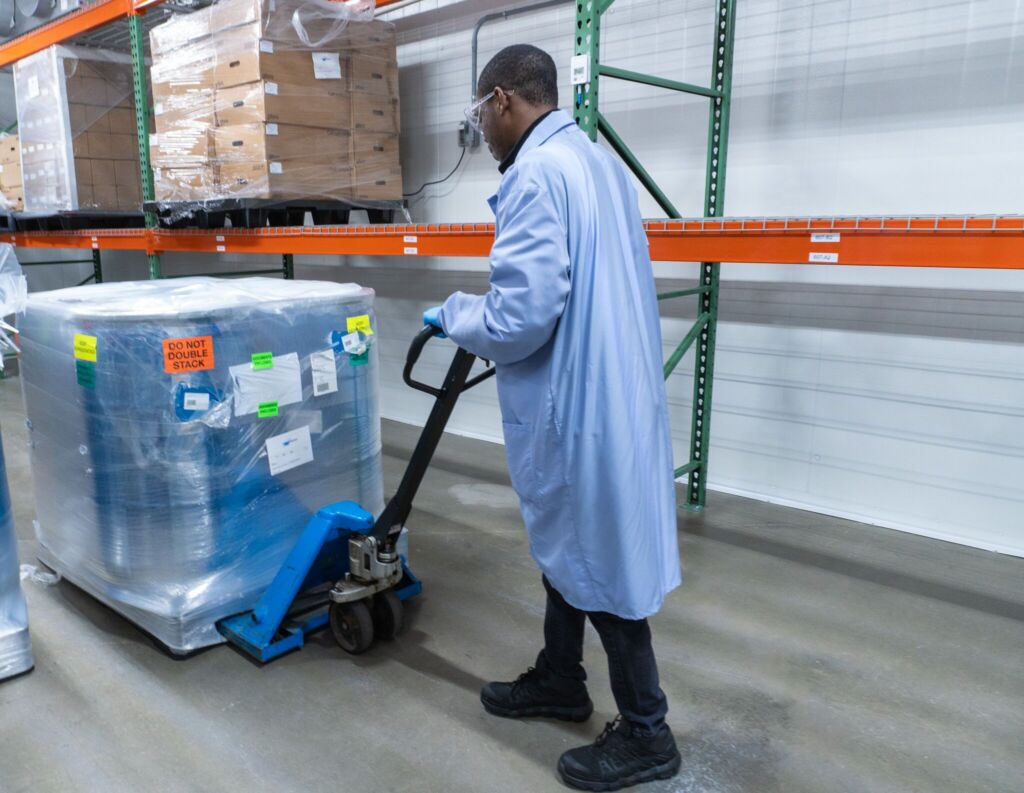
Pharmaceutical cold chain logistics demands an unparalleled level of precision, seamless coordination, and deep regulatory expertise.
When biologics, critical clinical trial materials, or sensitive diagnostic samples are involved, the stakes are incredibly high. Many of these materials are irreplaceable, representing years of painstaking research and development investment. Their integrity is non-negotiable.
This is where specialized cold chain logistics providers truly shine. They bring the essential infrastructure and deep expertise needed to skillfully manage these complex risks. Their dedicated teams intimately understand packaging validation, cutting-edge temperature monitoring technologies, and the intricate regulatory documentation requirements specific to the life sciences sector.
Furthermore, they provide crucial operational redundancy. Think backup carriers, pre-validated packaging solutions, and rapid response protocols; all working in concert to ensure that your shipments remain protected, even when unexpected disruptions occur.
Kryosphere, for instance, offers seamlessly integrated cold chain logistics, powerfully supported by advanced bio storage capabilities. By combining secure storage environments with rigorously validated transport processes, Kryosphere maintains a continuous, unbroken chain-of-custody integrity from initial storage, through shipment, and right up to final delivery.
This integrated approach provides pharmaceutical companies, pioneering research institutions, and innovative biotechnology organizations with unwavering confidence in the safety and stability of their invaluable materials.
Summing It Up
Building and maintaining a reliable pharmaceutical cold chain demands careful, proactive planning, unwavering regulatory discipline, and truly specialized logistics expertise. From thoughtfully selecting the appropriate transport modalities to implementing real-time monitoring and robust contingency plans, every single step of the process must be meticulously designed to protect temperature-sensitive materials.
For pharmaceutical organizations, the stakes couldn’t be clearer. Compliance must be maintained without compromise, product integrity must be fiercely preserved, and every shipment must arrive safely and precisely within its validated temperature ranges.
Partnering with experienced, dedicated cold chain logistics providers is the definitive way to ensure these critical standards are not just met, but exceeded. With the right systems and the right expertise in place, pharmaceutical companies can confidently move their most critical materials across the globe, knowing they are in the safest hands.
If your organization is exploring ways to significantly strengthen its pharmaceutical cold chain strategy, remember that proactive planning is always the best place to start.
Ready to ensure your critical materials are always protected? Schedule a comprehensive compliance review of your cold chain logistics with Kryosphere today.