
Floating Dots

Kryosphere Secures Foreign-Trade Zone (FTZ) Status

Boosting Logistics Power for Pharma and Biotech

Kryosphere, a leader in temperature-controlled GMP storage, logistics, and cold chain solutions, has officially received approval from U.S. Customs and Border Protection for incorporation into a Foreign-Trade Zone (FTZ). This strategic designation reinforces the company’s commitment to efficiency, compliance, and excellence in global trade, marking a pivotal breakthrough for its full-service biorepository and cold chain logistics clients.

Operating within the U.S. government’s FTZ program, Kryosphere can now offer enhanced financial and operational benefits designed to boost international competitiveness by reducing costs and streamlining customs procedures for companies involved in global commerce.

What is a Foreign-Trade Zone (FTZ)?

For those unfamiliar with logistics terminology, an FTZ is a secure, authorized area where commercial merchandise receives the same customs treatment it would if it were outside the commerce of the United States. Essentially, it’s a site considered outside U.S. Customs territory, permitting the duty-free import, storage, and manipulation of goods. Tariffs are only owed if the product enters U.S. commerce, offering companies the ability to defer, reduce, or, with re-export, eliminate customs duties entirely.

How FTZ Approval Benefits Kryosphere

Securing FTZ approval strengthens Kryosphere’s operational capabilities and positions the company for expansion. The advantages of this new designation include the ability to:

  • Defer or eliminate customs duties on incoming international shipments.
  • Improve data accuracy for inventory control and reporting.
  • Reduce administrative friction by streamlining customs protocols.
  • Increase agility for re-exporting products to international markets.

These capabilities are especially critical in cold chain logistics, where the precision and speed required for sensitive biological assets must not be compromised by regulatory delays.

Benefits for Kryosphere’s Clients

Kryosphere’s entry into the FTZ program directly translates to operational efficiency for its clients, particularly those managing regulated global supply chains. By leveraging this new framework, clients can expect:

  • Accelerated Logistics: Faster clearance times for both import and export activities.
  • Reduced Landed Costs: Immediate improvement in cash flow through duty deferral or total elimination.
  • Heightened Compliance: Improved inventory tracking that meets rigorous federal standards.
  • Strategic Agility: Greater freedom to manipulate and distribute inventory based on market demand rather than customs rigidity.

Why FTZ Status Matters More Than Ever

Kryosphere’s FTZ approval arrives at an opportune moment, especially given the current pressures on global supply chains. Pharmaceutical and biotech firms face an environment characterized by higher transport costs, stricter regulatory scrutiny, and a rising demand for precision logistics. These risks are amplified for temperature-sensitive materials, where delays or paperwork errors can result in significant financial losses, compliance issues, and scientific setbacks.

Foreign-Trade Zones have emerged as a key strategic tool for companies aiming to mitigate these challenges. By reducing customs friction and allowing better control over inventory movement, FTZ participation helps build a more resilient and adaptable logistics strategy. For cold chain providers, this setup offers a crucial way to balance regulatory compliance with the operational speed necessary in modern life sciences supply chains.

Enhancing Compliance and Risk Management

Beyond cost and efficiency benefits, FTZ participation significantly boosts Kryosphere’s compliance posture. FTZ zones operate under strict oversight from U.S. Customs and Border Protection, requiring precise inventory checks, accurate reporting, and documented processes. These regulations align perfectly with the high standards already expected of life sciences logistics providers.

By integrating FTZ procedures into its operations, Kryosphere enhances its ability to help clients navigate complex regulatory environments. Improved traceability, controlled access, and standardized reporting create additional layers of security for organizations managing high-value biological assets.

Supporting Global Growth and Market Flexibility

As pharmaceutical and biotechnology companies continue to expand globally, their logistics infrastructure must evolve to support multi-market distribution needs. FTZ status enables Kryosphere to support this growth by offering enhanced flexibility in how products are stored, managed, and shipped across borders. Clients benefit from the ability to adjust inventory plans based on real demand rather than customs limitations. Items destined for international markets can move through Kryosphere’s site without incurring wasted duty costs, while local delivery can be timed strategically to improve cash flow.
A Strategic Step Forward

Ultimately, this FTZ designation reflects Kryosphere’s commitment to staying ahead of the curve. In a world where supply chains are becoming tighter and more expensive to manage, this move provides a much-needed mechanism for efficiency. It signals to the industry that Kryosphere is not just keeping pace with global trade standards but is actively shaping its infrastructure to serve as a sophisticated, trusted engine for client success.

Kryosphere’s FTZ designation underscores how logistics infrastructure is evolving to meet the complex demands of global pharmaceutical and biotechnology supply chains.
Floating Dots

A Deep Dive Into Cold Chain Logistics Best Practices

The global cold chain logistics market size reached $248.4 billion in 2024. These supply chain processes use cooling and monitoring technologies to keep temperature-sensitive products within safe temperature thresholds during shipping, thus preserving the integrity of pharmaceuticals, biotechnology, and clinical research materials. Advancements in relevant technologies, alongside efforts to refine cold chain logistics best practices, enable companies to mitigate risks and optimize their efficiency.

Learn more about cold chain logistics best practices from Kryosphere

Understanding Cold Chain Logistics

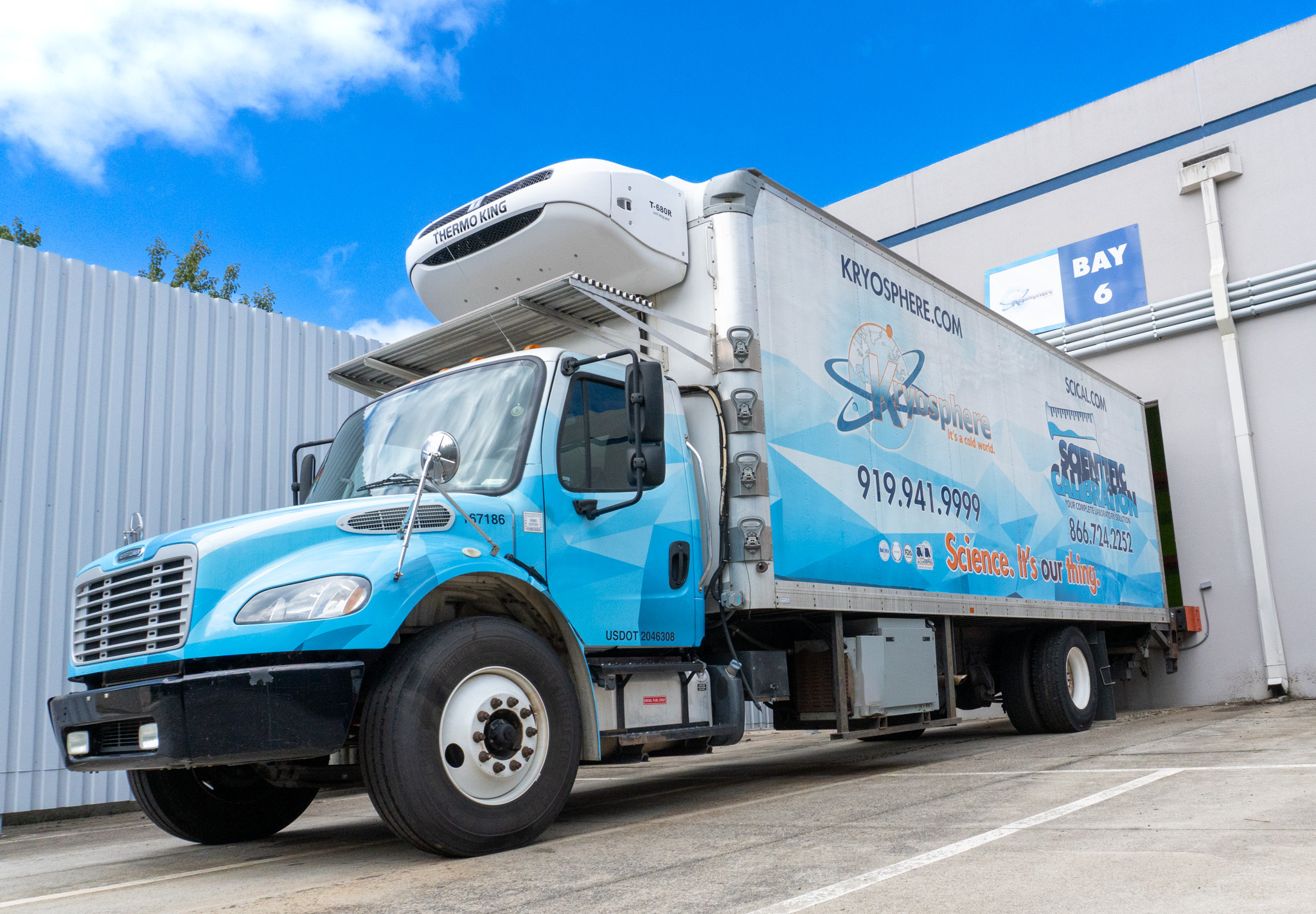
Cold chain logistics adheres to a meticulously coordinated system that involves storage, transportation, and monitoring in order to maintain precise temperature conditions for various products, including the following:

  • Pharmaceuticals (such as vaccines and insulin)
  • Clinical research samples (i.e., blood and tissue)
  • Biotechnology products (cell and gene therapies)

Companies must maintain visibility over these products across the entire supply chain. Failing to do so could result in violations of regulatory frameworks, such as those implemented by the Food and Drug Administration and the World Health Organization. 

Key Elements of Effective Cold Chain Management

Successful cold-chain logistics operations depend on several critical elements, namely: 

Planning 

Effective management of temperature-sensitive materials begins with proper planning. Some factors to consider are as follows:

  • Optimizing your routes to ensure timely deliveries
  • Performing risk assessments to identify potential hazards 
  • Establishing backup plans to address transportation breakdowns 

With regard to that last point, things will inevitably go wrong despite your best efforts. Having contingencies in place allows you to mitigate the impacts of something like an equipment failure or transportation delay. 

Temperature Control

Keeping temperature-sensitive materials within acceptable ranges is non-negotiable. Effective temperature management involves the following measures:

  • Using high-quality thermal packaging and properly maintained refrigeration units
  • Implementing passive or active cooling methods
  • Regularly calibrating your equipment

Even brief variations in temperature can lead to product spoilage and create serious safety and compliance concerns. 

Monitoring and Documentation

You should consider investing in real-time monitoring tools that include automated alert capabilities. These technologies will provide you with ample notice to intervene should a temperature control system fail:

  • Internet-of-Things-enabled temperature sensors
  • GPS tracking to monitor shipments
  • Cloud-based data logging systems for instant access to historical temperature records
  • Automated alerts 

Digitally logging temperature data for each shipment also promotes compliance. If you face an audit or need to trace the origins of a specific shipment, you will be able to instantly track down the data you need. 

Challenges in Cold Chain Logistics

While the cold chain logistics sector has benefited from advancements in cooling and monitoring technologies, several challenges remain, such as the following:

  • Temperature Excursions: Even small fluctuations in temperature can render biologics ineffective 
  • Equipment Failures: Refrigeration malfunctions during transport can lead to significant losses 
  • Supply Chain Complexities: Global cold chain operations are complex by nature, which increases the risk of inefficiencies 

Failing to address these challenges can leave your business facing non-compliance and financial losses. And in the case of pharmaceuticals, cold chain logistics issues also pose a risk to patient safety. 

Best Practices for Cold Chain Logistics

If your organization is involved in the management or transportation of temperature-sensitive materials, it should adopt the latest cold chain logistics best practices, which include the following: 

Employee Training

Ensure your team members know how to properly handle and monitor temperature-sensitive products. They should know the proper temperature ranges for each material and what to do in the event of a variation. 

Risk Management

Risks are a fact of life when dealing with the complex cold supply chain. Make sure your organization creates comprehensive risk management strategies to decrease the likelihood of a major product loss or patient safety issue. 

Real-Time Monitoring 

Real-time monitoring is crucial when dealing with global cold chain logistics. Tapping into up-to-the-minute data promotes product safety and compliance.

Future Trends in Cold Chain Logistics

Cold chain logistics best practices are being shaped by emerging trends, including:

  • Globalization: Companies are using AI-driven route planning and blockchain-based tracking to improve global efficiency
  • Sustainability Initiatives: The industry is shifting toward eco-friendly materials and energy-efficient cold storage 
  • Smart Packaging: These solutions include integrated sensors and better-insulated materials to maintain precise temperature conditions 

If your organization is part of the cold supply chain, it’s time to embrace these future trends, and Kryosphere can help. 

Adopt the Latest Cold Chain Logistics Best Practices With Kryosphere 

Adhering to proven cold chain logistics best practices promotes safety and efficiency when handling temperature-sensitive products. As a leader in cold chain logistics, Kryosphere can help your organization implement the latest cold chain logistics best practices and preserve the integrity of temperature-sensitive materials. Contact our team to schedule a consultation and discuss your temperature management goals. 

Floating Dots

Kryosphere’s Remarkable Expansion: A State-of-the-Art Biorepository

Kryosphere, the South East’s premier biorepository, has recently completed a substantial expansion project, setting new industry standards and further solidifying its position as a leader in the field. This expansion, initiated earlier this year, represents an investment of approximately $5 million and has transformed Kryosphere’s capabilities, now offering an impressive array of services to meet the growing demands of biotech companies across the country.

Enhanced Facilities 

The cornerstone of Kryosphere’s expansion is its new state-of-the-art facility, boasting cutting-edge features designed to cater to a wide range of biorepository needs.

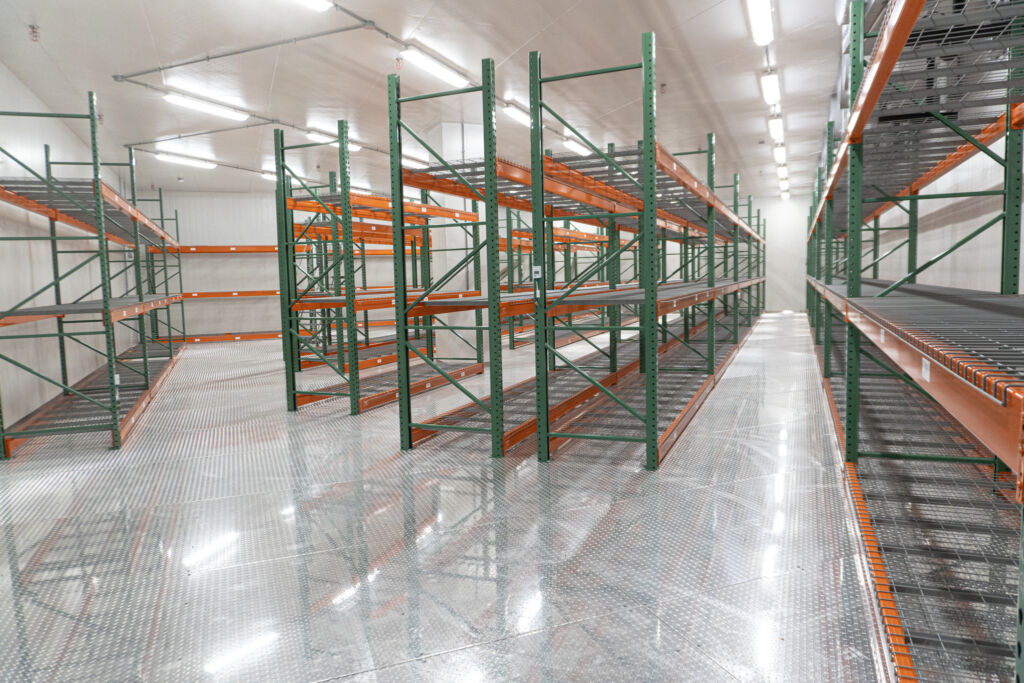
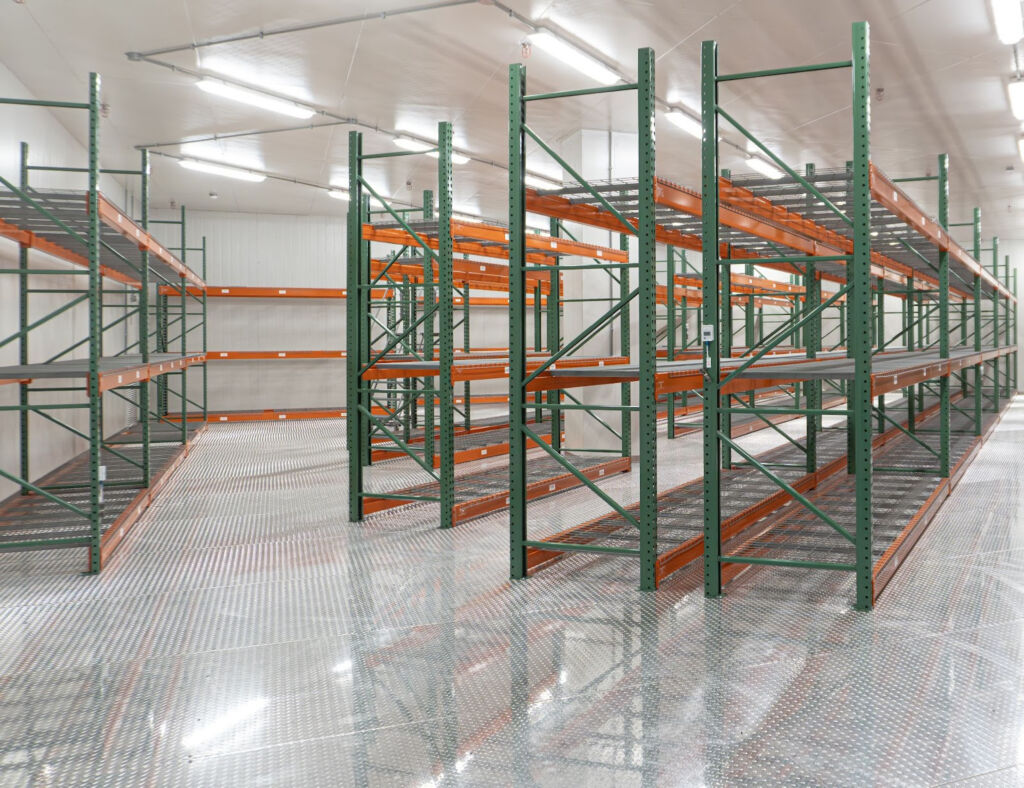
  • Walk-In Refrigerator: The crown jewel of this expansion is a massive walk-in refrigerator that spans an impressive 11,000 square feet. Operating within a temperature range of +2°C to +8°C, it offers the capacity to accommodate over 750 pallet spaces. This walk-in refrigerator is equipped with its own walls and a bay door, ensuring precise temperature control and easy access for storing temperature-sensitive materials.
  • Walk-In Freezer: Complementing the refrigeration capabilities, Kryosphere’s new walk-in freezer maintains a consistent temperature of -20°C and spans approximately 6,000 square feet. It is specially designed for the storage of frozen bulk pharmaceutical substances and can house approximately 250 pallets, providing a secure environment for critical assets.
  • Controlled Room Temperature (CRT) Space: The CRT space at Kryosphere can support the storage of over 500 pallets, ensuring a wide range of storage options for clients with varying needs.

Advanced Infrastructure

Kryosphere has invested heavily in ensuring the reliability and security of its expanded facilities:

  • Redundancy: The facility features a fully redundant system to guarantee continuous operation, even in the face of unexpected challenges.
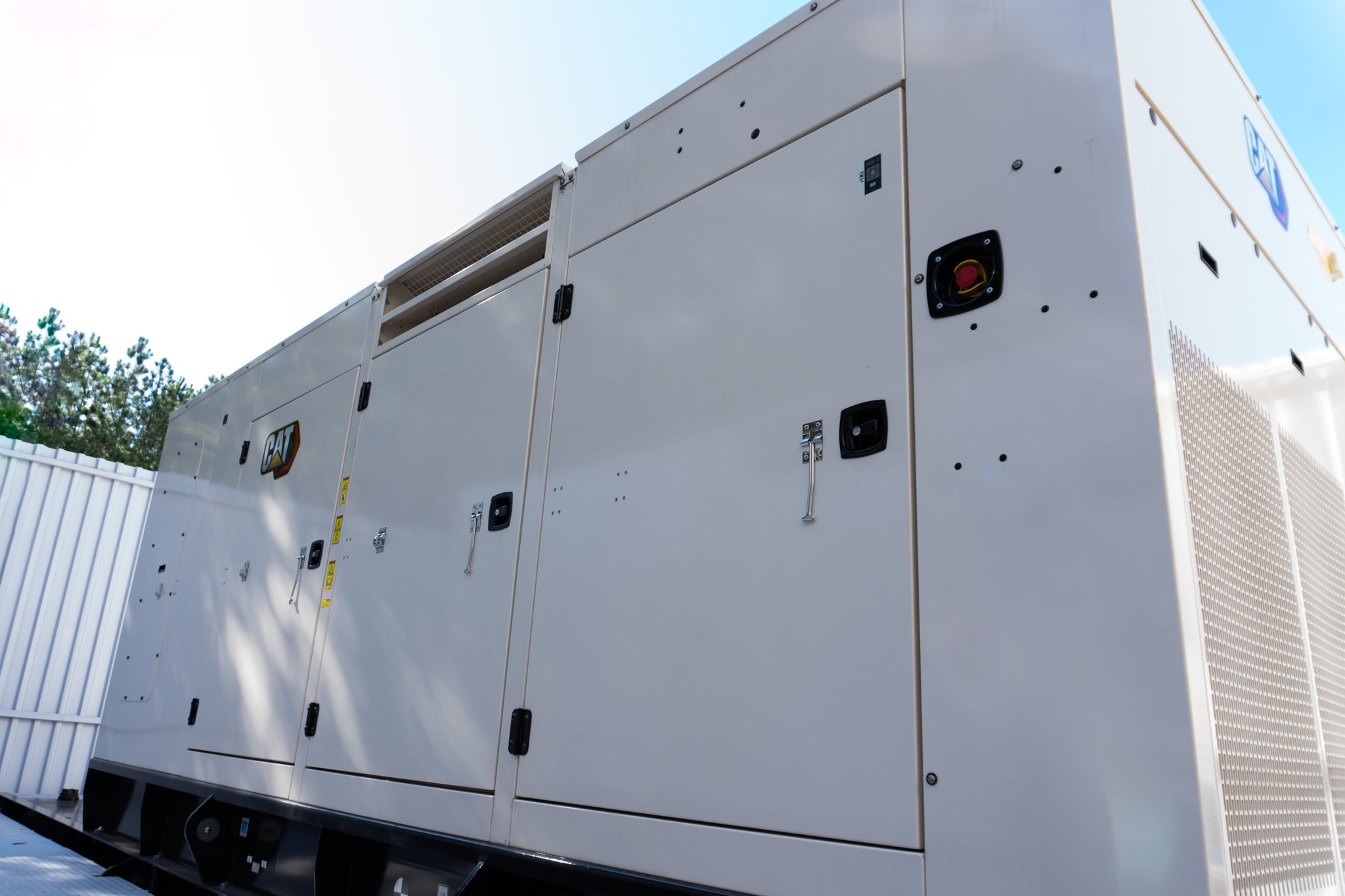
  • Backup Generators: Backup generators are in place to ensure uninterrupted power supply, safeguarding the integrity of stored materials.
  • Security Measures: Security is a top priority, with features including N+1 backup, IT Platforms, and temperature monitoring systems to ensure the utmost protection for clients’ valuable assets.

Dedicated Team and Service Excellence

What truly sets Kryosphere apart from its competitors is its dedicated team and commitment to providing prompt and exceptional service. The facility strictly adheres to CGMP standards, ensuring that biotech companies receive the highest quality storage and management services for their materials. 

Kryosphere’s expansion not only allows them to continue supporting their current customer base and local area but also extends their reach to new customers and territories. The facility is equipped to handle both small and large projects, demonstrating their commitment to accommodating the needs of a diverse range of clients. Kryosphere’s new space ensures they can meet these demands for the foreseeable future while also exploring opportunities for further expansion and offerings.

Kryosphere’s recent expansion has elevated the standards of biorepository services in the South East. With its state-of-the-art facilities, advanced infrastructure, and a dedicated team focused on exceptional service, Kryosphere is well-positioned to serve the evolving needs of biotech companies across the nation. As they continue to grow, Kryosphere remains a trailblazer in the industry, providing a level of quality and commitment that sets them apart from the competition.